It's a common human tendency: when a pest problem is small, it's easy to convince yourself it will resolve on its own, or that you'll deal with it "next week." And occasionally, that's true — a single wandering ant isn't a crisis. But a recurring pest problem that goes unaddressed rarely stays at its current level. It almost always gets worse. And the longer you wait, the more expensive the solution becomes.
The compounding math of ignored pests
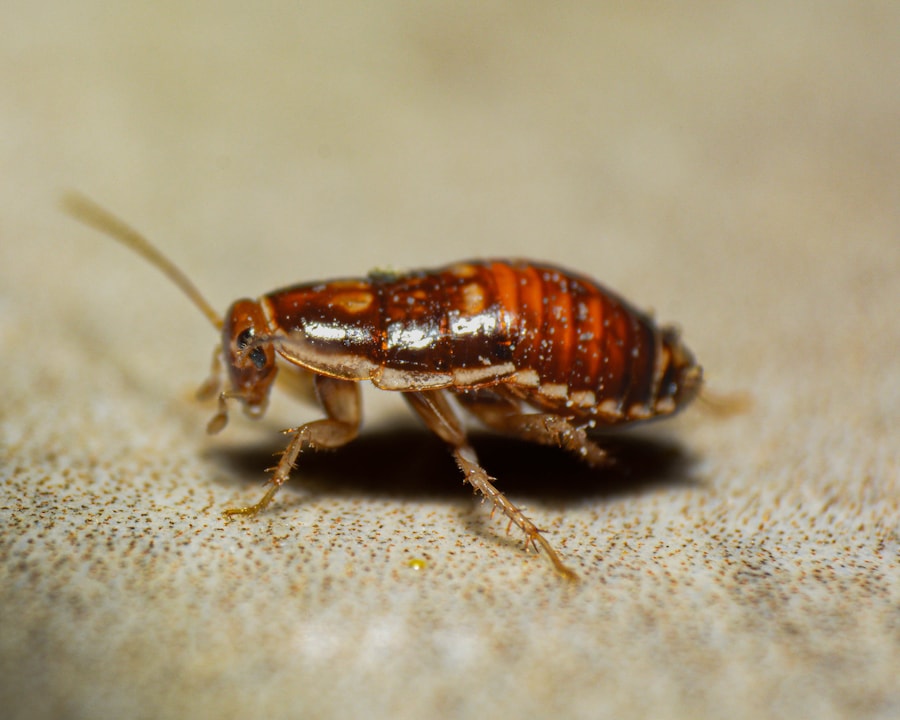
Pest populations don't grow linearly — they grow exponentially. A single pair of mice entering your home in October can produce dozens of offspring by January. A small termite colony can consume a pound of wood per day. German cockroaches can produce up to 6 generations in a year.
This compounding growth means that early treatment is almost always cheaper than delayed treatment — by a factor of 5 to 10x in many cases. A targeted treatment for a small rodent problem costs hundreds of dollars. Remediation after extensive damage — replacing chewed wiring, re-insulating an attic, treating a house-wide cockroach infestation — costs thousands.
The direct cost of structural damage
Termites
The National Pest Management Association estimates that termites cause $5 billion in property damage annually in the United States. Homeowners insurance typically does not cover termite damage — it's considered a preventable maintenance issue. The average termite remediation and repair cost for a homeowner is $3,000 to $8,000; significant structural damage can run far higher.
Rodents
Rodents chew constantly — not because they're hungry, but to manage tooth growth. This means electrical wiring is as attractive a chew target as food. The National Fire Protection Association estimates that rodents cause 25% of house fires of undetermined origin by chewing through wiring insulation. Attic insulation replacement after a rodent infestation typically runs $1,500 to $4,000.
Carpenter ants
Unlike termites, carpenter ants don't eat wood — they excavate it to create galleries. A large, long-established carpenter ant colony can cause structural damage requiring replacement of joists, sills, and framing members. They're attracted to damp, damaged wood — which means an ant problem often indicates a moisture problem that is itself causing damage.
Health costs and liability
Pest problems have real health consequences:
- Rodent droppings and urine spread hantavirus, salmonella, and leptospirosis
- Cockroach allergens are a documented trigger for asthma, especially in children
- Bed bugs cause sleep disruption and psychological distress that can last for months
- Tick bites in tick-infested yards can result in Lyme disease, requiring months of antibiotic treatment
Property value and disclosure
If you sell a home with a history of pest damage, you're typically required to disclose it. Evidence of termite or rodent damage can reduce buyer offers significantly and complicate financing. A home inspection that uncovers pest damage can derail a sale entirely.
The most affordable pest control is preventive pest control. A quarterly treatment program typically costs far less per year than a single major infestation remediation.
If you've been sitting on a pest concern — a recurring mouse, a suspicious crack in the foundation, a few bugs that "come and go" — the cost of a professional inspection is almost always far less than the cost of finding out later what you were ignoring.